
(403) 620-8489
Mold growth usually points to moisture that has remained in a building. Roof or plumbing leaks, basement seepage, condensation, and incomplete drying after a previous water loss can all create suitable conditions.
Nonstop Restoration provides mold removal and remediation in Cochrane using containment, controlled material removal, cleaning, drying, and IICRC-guided restoration methods. We address the growth and the moisture conditions connected to it.
Call (403) 620-8489 for mold remediation help in Cochrane.
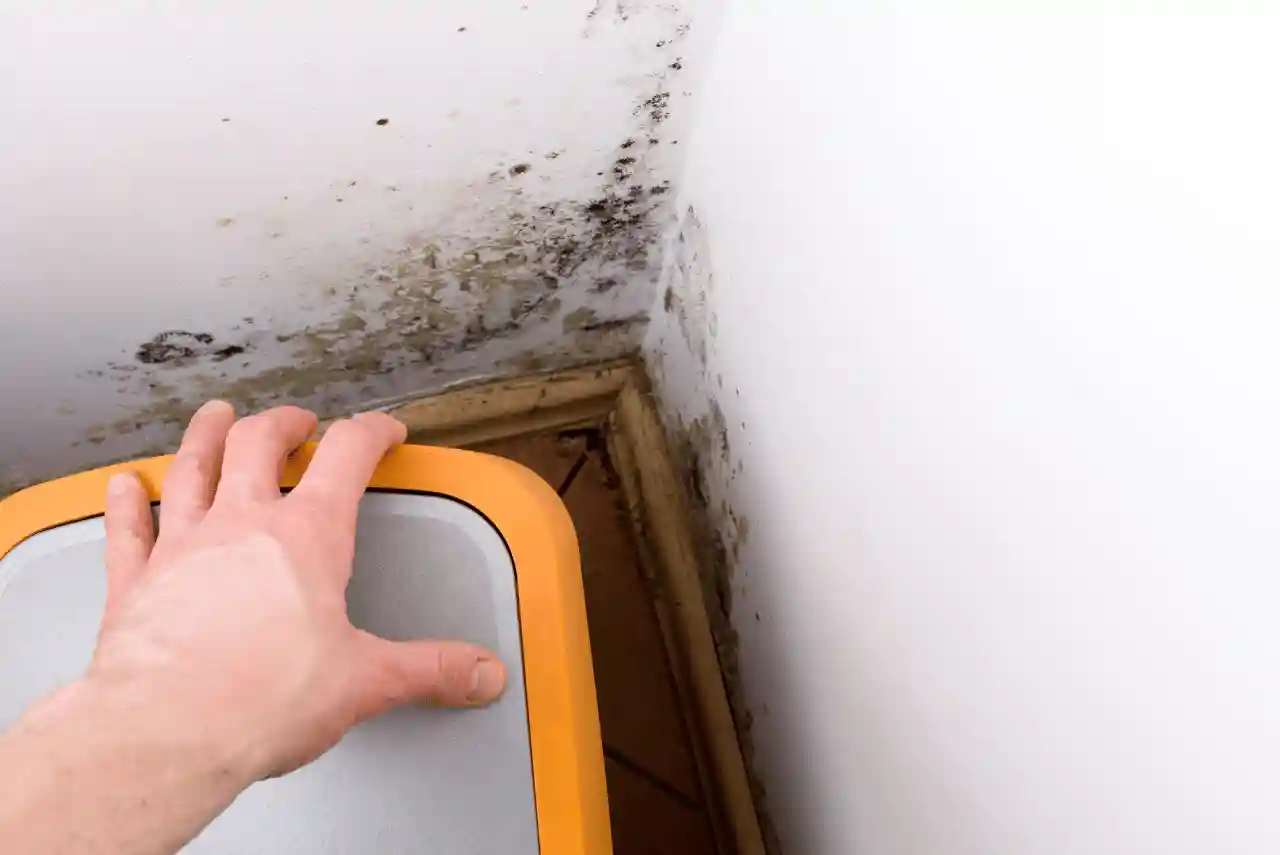
Mold can appear in basements, bathrooms, laundry rooms, mechanical areas, storage spaces, and cavities along cold exterior walls. Acreage homes and detached buildings can also develop moisture problems where ventilation or drainage is limited.
Musty odours, staining, visible spots, soft drywall, and recurring dampness are common warning signs. Avoid scrubbing or directing fans at suspected growth because disturbance can spread particles.
Homeowners call when a musty smell or recurring moisture has no obvious source. Landlords and property managers need affected units assessed and documented before repairs. Acreage and shop owners may need help with finished spaces or outbuildings.
Clients choose Nonstop Restoration because remediation must control spread, remove affected material where required, and correct the moisture conditions behind the problem.
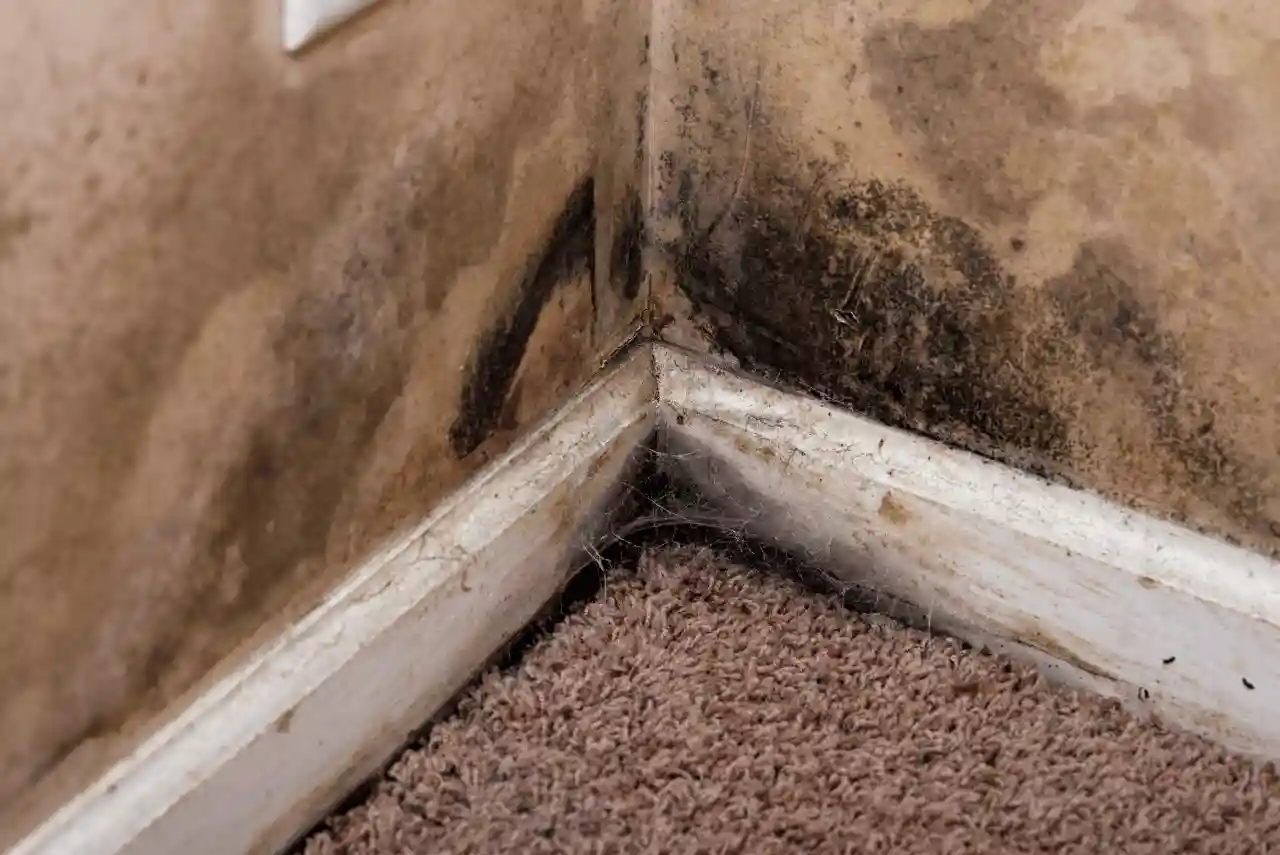
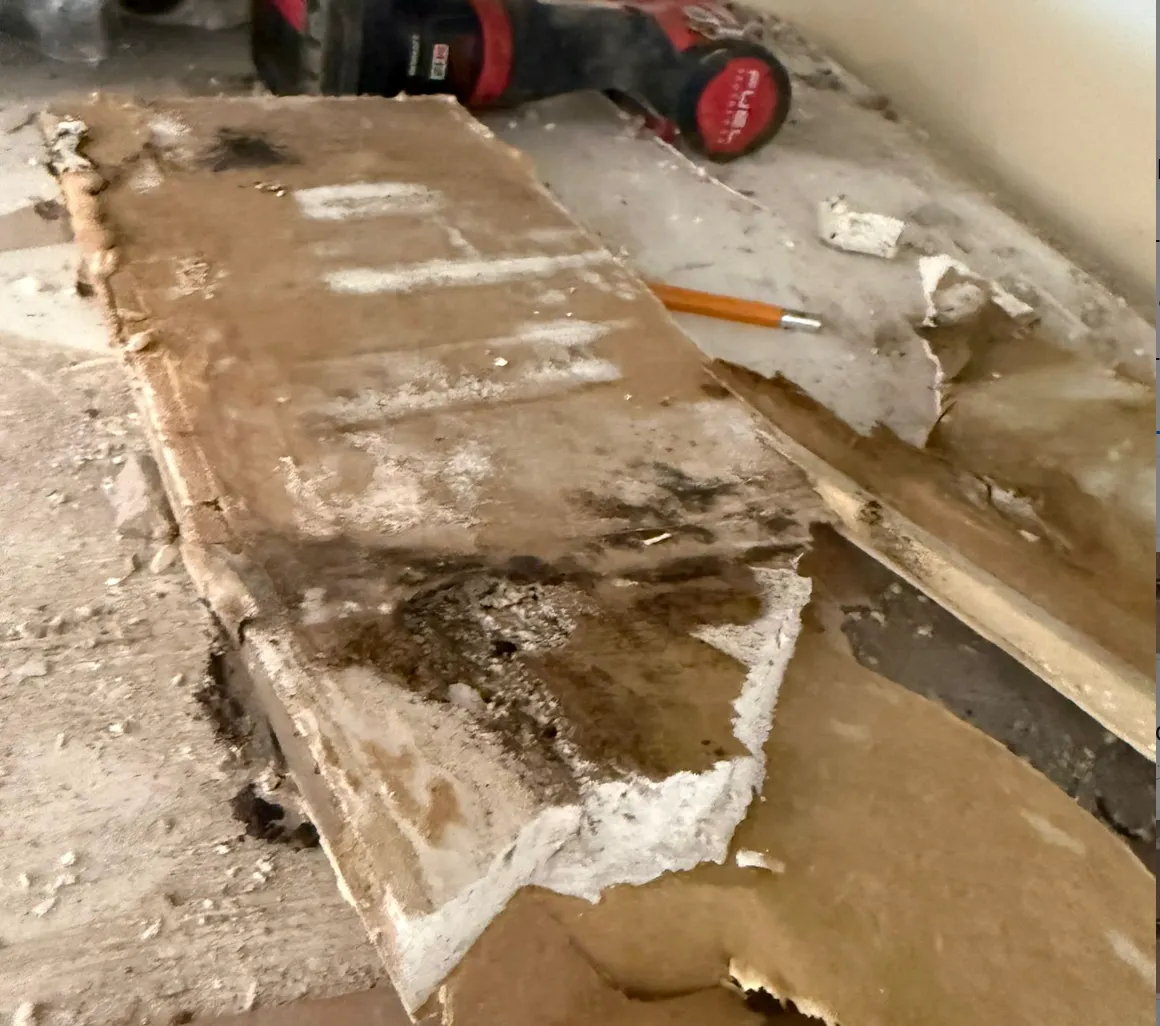
Mold remediation is handled by trained restoration technicians using containment, protective equipment, filtration, cleaning, drying, and IICRC-guided work practices.
The team documents visible conditions and moisture findings, explains the scope, and coordinates related water-damage or rebuild work when needed.

Work begins with an inspection of the affected area and likely moisture source. Damp conditions are measured and the remediation scope is defined before materials are disturbed.
Containment is established to limit cross-contamination. Affected porous materials are removed where required, filtration may be used, and remaining surfaces are cleaned, dried, and reviewed.
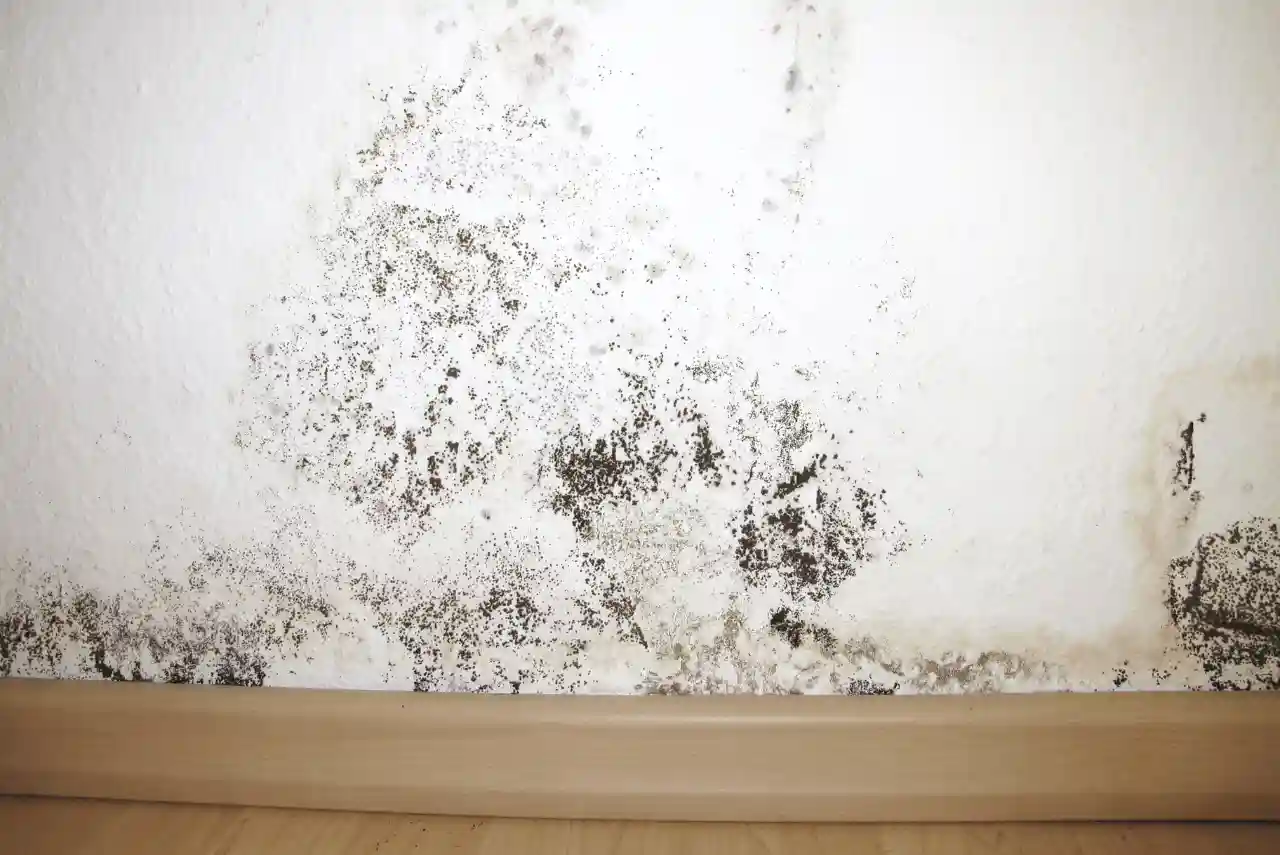
Nonstop Restoration records the affected area, moisture findings, containment, removed materials, and completed remediation work.
Mold coverage depends on the moisture source and policy. We can provide photos and service notes for review, while the insurer makes the coverage decision.
Mold remediation may connect with water-damage restoration, sewer-backup cleanup, leak repair, structural drying, content manipulation, and rebuild services.
Common signs include a musty odour, visible spotting, staining, soft drywall, condensation, or dampness that keeps returning.
Avoid aggressive cleaning, sanding, or using fans around suspected growth. Disturbance can spread particles and does not correct the moisture source.
The work area is isolated, access is controlled, and appropriate filtration and removal methods are used to reduce cross-contamination.
The team identifies and documents likely moisture conditions so leaks, drainage, humidity, or incomplete drying can be addressed as part of the restoration plan.
Yes. Photos, moisture findings, the work scope, and service notes can be prepared for review. Coverage decisions remain with the insurer.