(403) 620-8489
Mold usually means moisture has remained in a building longer than it should. Leaks, basement seepage, condensation, roof damage, plumbing problems, and incomplete structural drying can all create conditions for growth.
Nonstop Restoration provides mold removal and remediation in Chestermere using containment, careful material removal, cleaning, drying, and IICRC-guided restoration practices. We address both the visible growth and the moisture conditions behind it.
Call (403) 620-8489 for mold remediation in Chestermere.
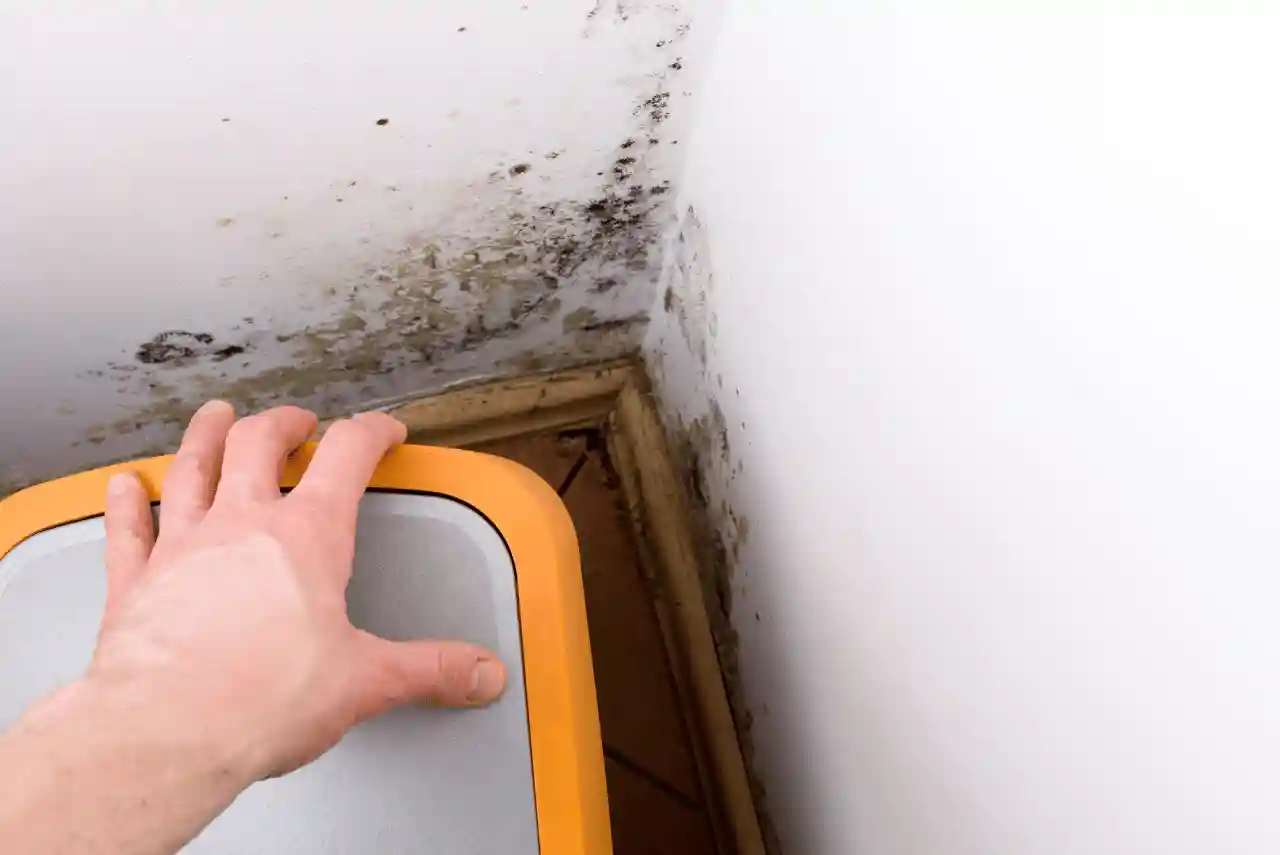
Mold can develop wherever moisture remains trapped. Basements, bathrooms, laundry rooms, mechanical spaces, storage areas, and cavities behind finished walls are common places to find it in Chestermere properties.
Warning signs can include a musty odour, visible spots, staining, soft drywall, or recurring dampness. Avoid aggressive scrubbing or blowing air across the area because that can spread particles beyond the source.
Homeowners call when a musty odour, visible growth, or recurring moisture appears. Landlords and property managers call when a unit needs careful remediation and clear records before repair or re-occupancy.
Clients choose Nonstop Restoration because mold work must address the moisture source, control spread, and remove affected materials without hiding the problem.
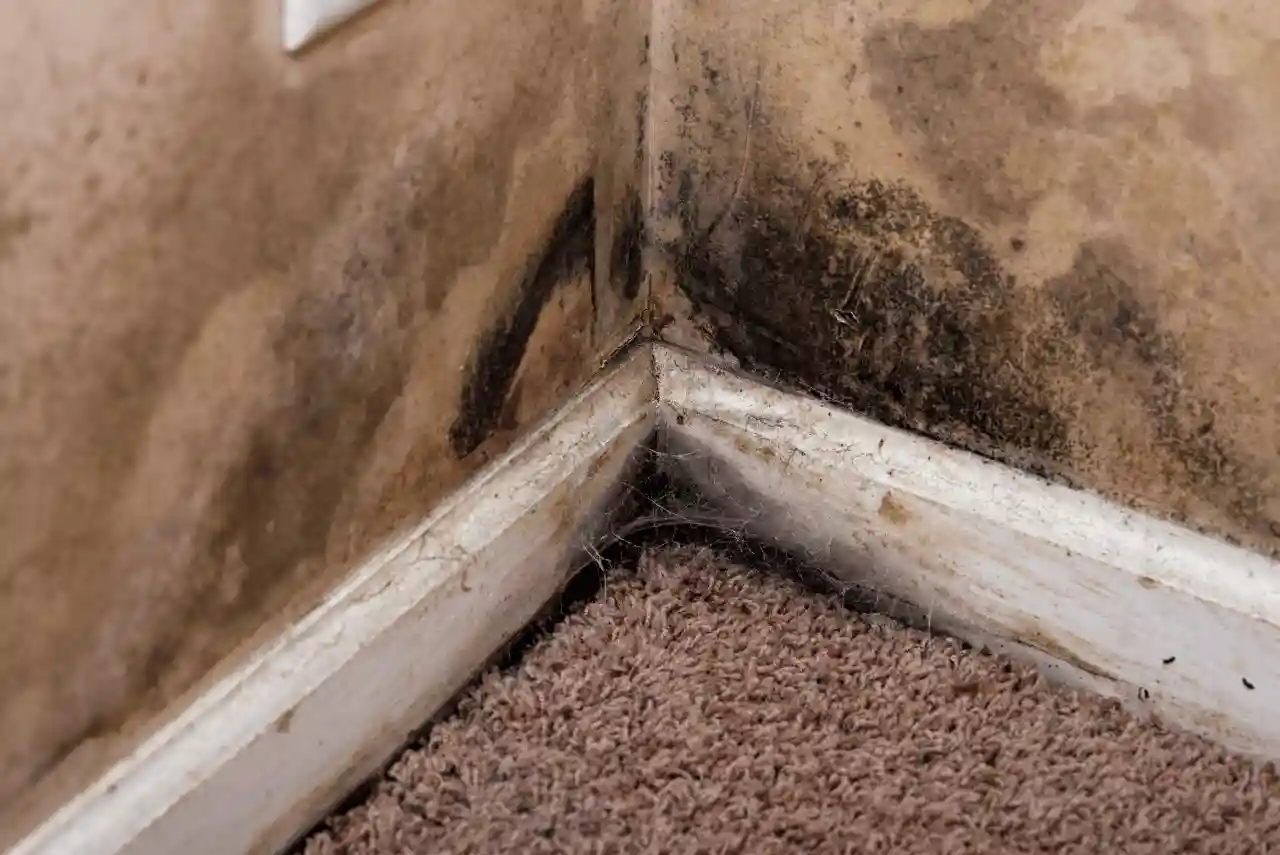
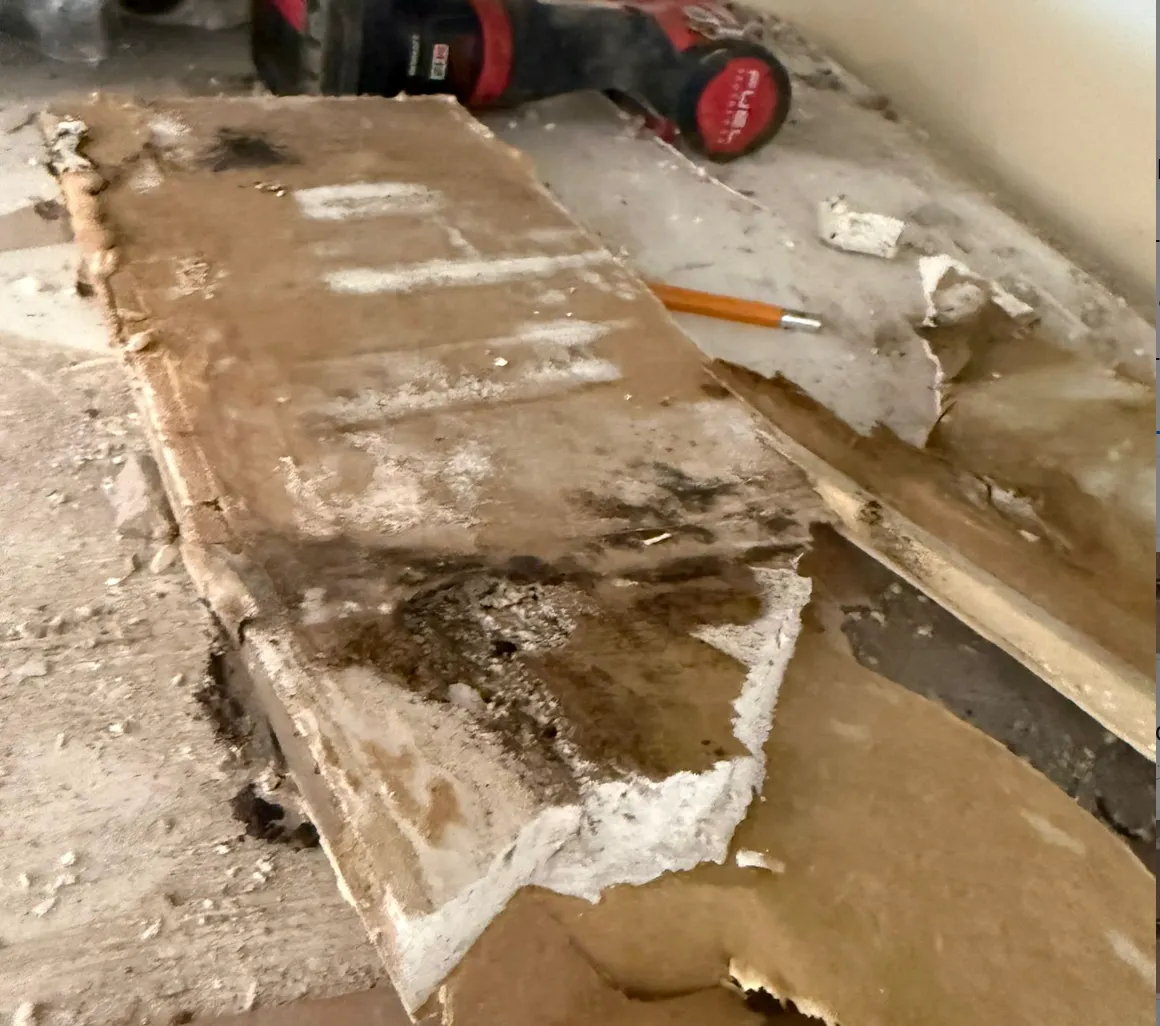
Mold remediation is handled by trained restoration technicians using containment, protective equipment, filtration, cleaning, drying, and IICRC-guided methods.
The team explains the scope, documents conditions, and coordinates related water-damage or rebuild work when needed.

Work begins with an inspection of the affected area and the moisture source. We measure damp conditions and define the scope before materials are disturbed.
Containment is set up to limit cross-contamination. Affected porous materials are removed where required, HEPA filtration may be used, and remaining surfaces are cleaned, dried, and reviewed.
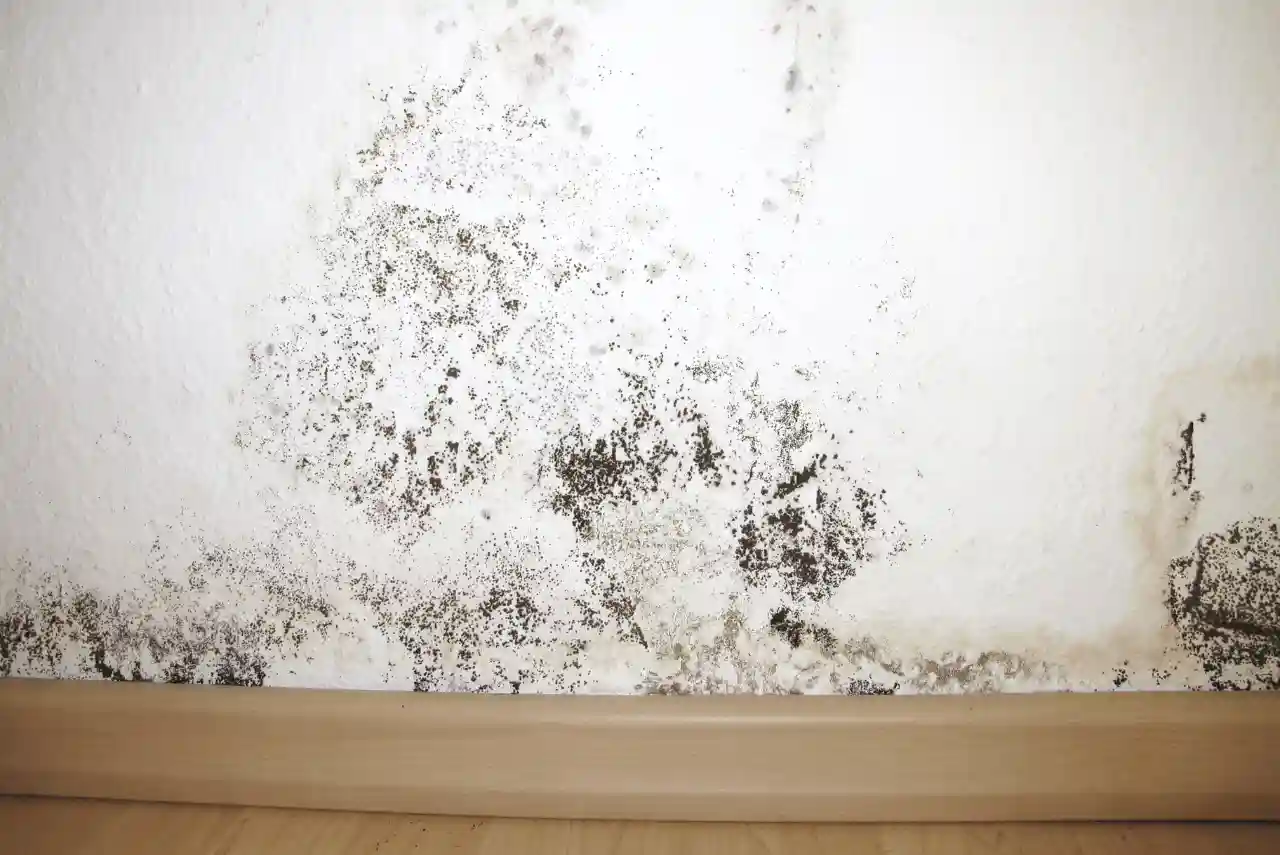
Nonstop Restoration documents visible conditions, containment, affected materials, moisture findings, and the remediation work completed.
Insurance coverage for mold depends on the source of moisture and the policy. We do not promise coverage, but photos and service records can support the claim review.
Mold remediation may connect with water damage restoration, sewer backup cleanup, leak repair, structural drying, content manipulation, and rebuild work.
Mold can affect indoor air quality and may cause irritation or other health concerns for some people. Avoid disturbing suspected growth and arrange a professional assessment.
Surface products and paint do not correct the moisture source or remove contamination inside porous materials. Covering growth can allow the problem to continue out of sight.
Mold removal focuses on physically removing affected materials. Remediation also includes containment, cleaning, moisture control, drying, and steps to reduce cross-contamination.
The team isolates the work area, controls access, uses appropriate protective equipment and filtration, and removes affected materials in a controlled way.
Coverage varies by policy and the source of moisture. We can document the affected area and completed work, but the insurer decides whether a claim is covered.