
(403) 620-8489
Mountain properties hold moisture in ways that are easy to miss. Snowmelt, ice damming, a slow supply line leak, or a bathroom with weak ventilation can keep materials damp long enough for mold to take hold.
Nonstop Restoration provides mold removal and remediation in Canmore and the Bow Valley. We assess the affected area, trace the moisture source, set up containment, and remove impacted materials where needed.
Cleaning the surface is only part of the job. We address the conditions letting mold grow and keep a written record of the remediation from start to finish.
Call (403) 620-8489 for mold remediation in Canmore.
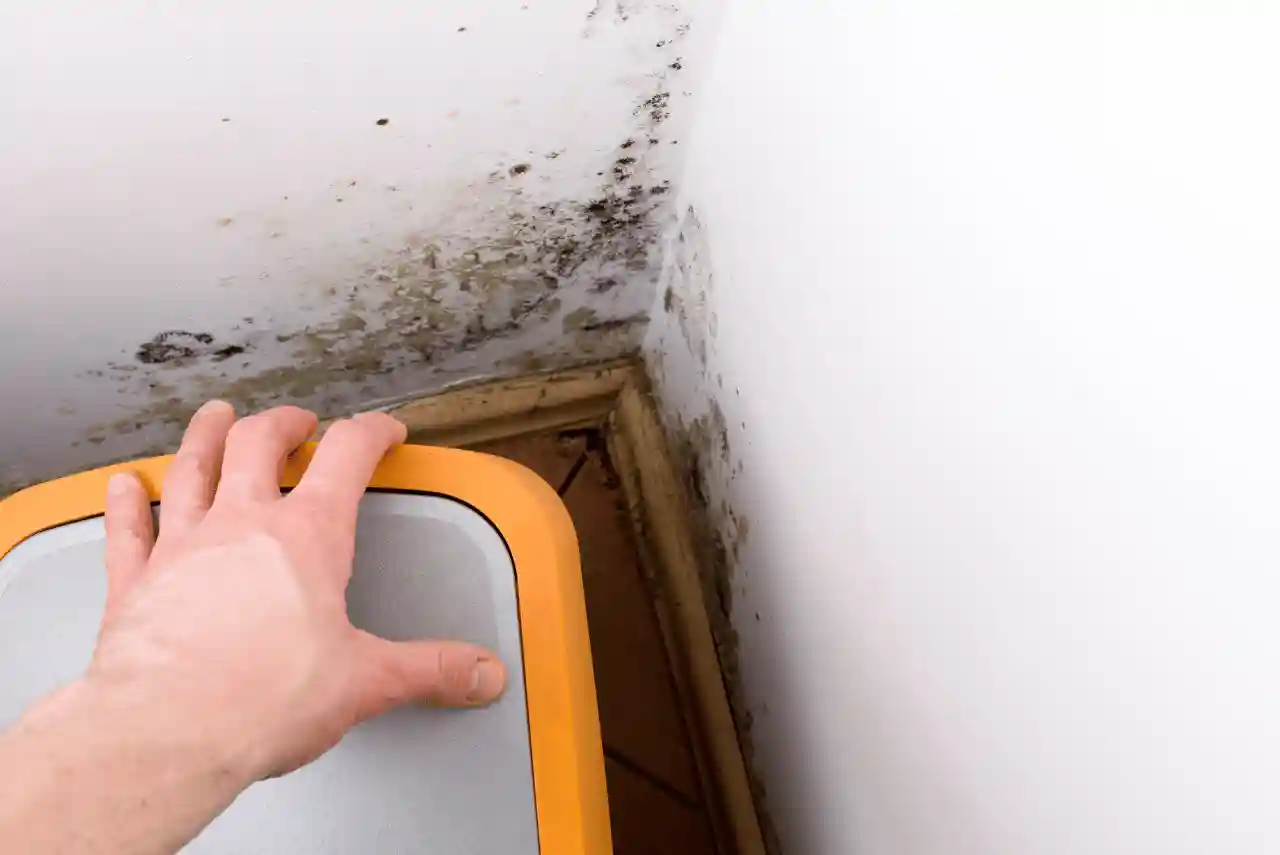
Freeze and thaw cycles, heavy snow loads, ice damming along roof edges, and spring runoff through the valley push water toward places it was never meant to sit.
Crawl spaces, walkout basements on sloped lots, mudrooms and drying rooms holding wet gear, hot tub areas, and mechanical rooms are frequent trouble spots. Musty odours, staining near window frames, blistering paint, and drywall that feels soft are all worth looking into.
Avoid scrubbing or opening up a suspected mold area. Disturbing it can release particles and carry the problem into rooms that were unaffected.
Full-time residents call when a musty smell appears in a basement or behind a finished wall. Owners of second homes and vacation properties often find the damage after weeks away, once a small leak has had time to spread.
Condo boards, rental managers, and short-term accommodation operators usually need more than cleanup. They need photographs, moisture readings, a defined scope of work, and records they can pass on to owners or insurers.
The approach stays the same across property types: contain the area, remove affected materials properly, correct the moisture conditions, and leave a space that is ready for repairs.
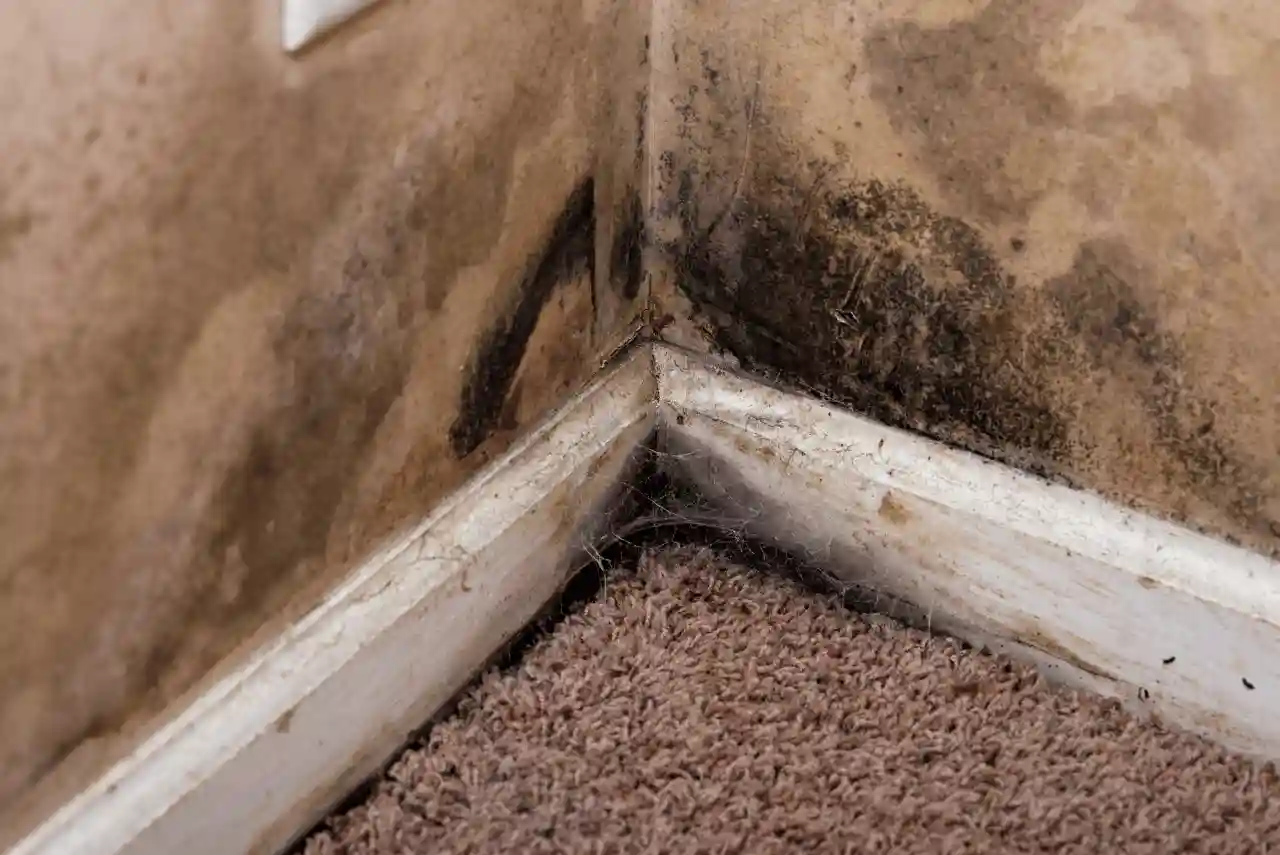
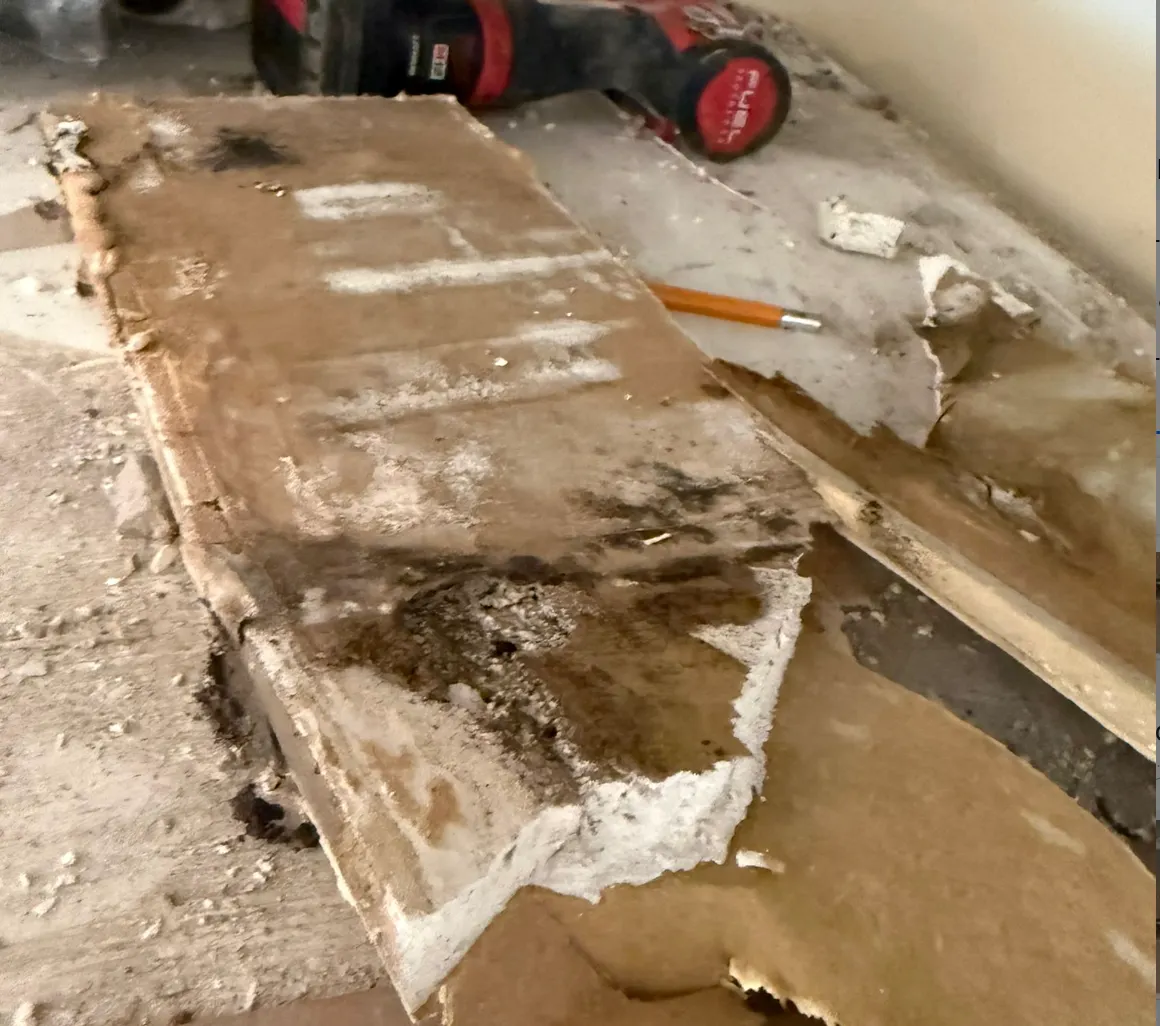
Nonstop Restoration follows IICRC-aligned methods covering moisture assessment, controlled containment, safe material removal, HEPA filtration, cleaning, drying, and documentation.
Careful setup matters in compact mountain floor plans and shared buildings, where hallways, stairwells, and ventilation can carry particles into units that were never affected.

We inspect the affected area, locate the moisture source, and identify which materials need to come out. Containment is installed before any removal begins.
Contaminated drywall, insulation, subfloor, or other porous materials are removed where required. HEPA filtration and detailed cleaning may follow, then the structure is dried and rechecked.
Once the area clears that check, the space can move to the repair or rebuilding stage.
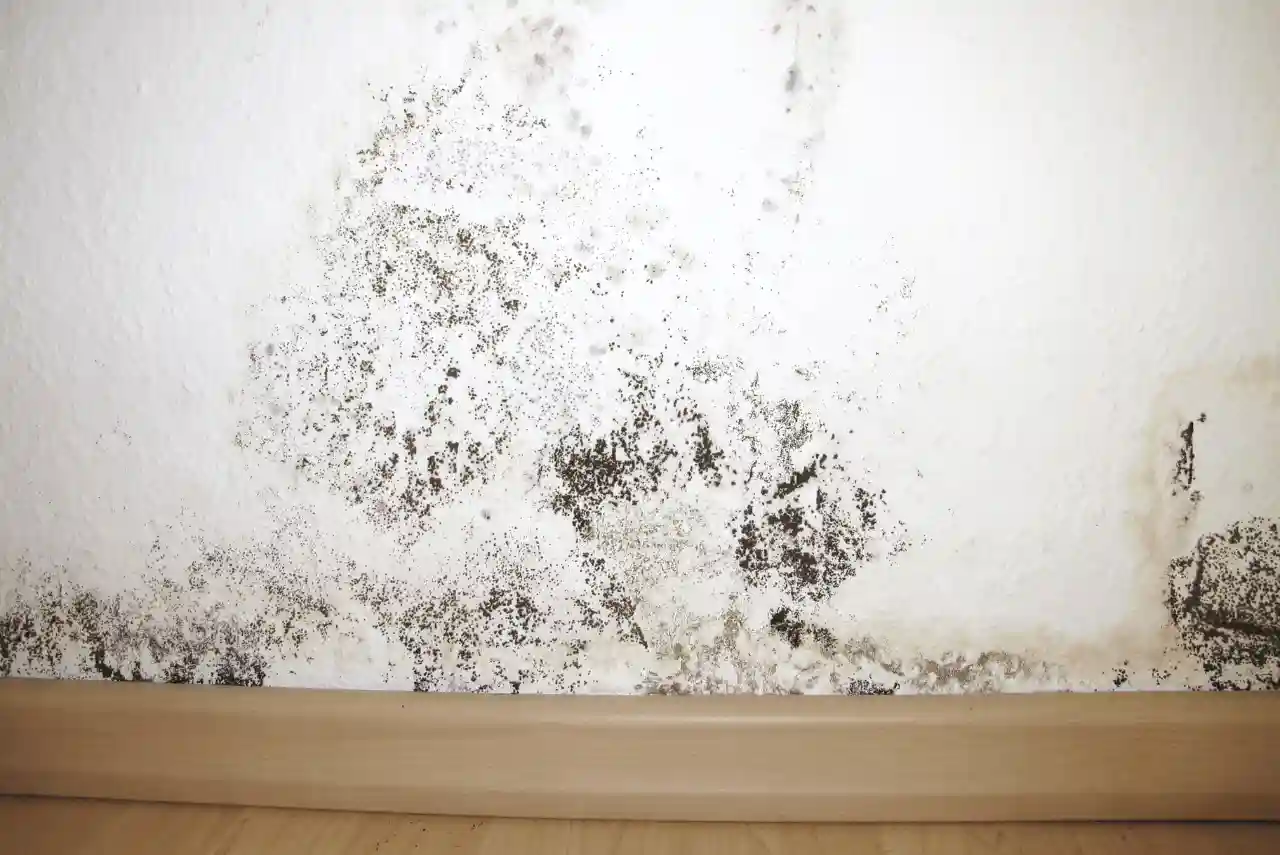
Where a claim applies, our team can provide photographs, moisture documentation, remediation details, and information about affected materials for your adjuster to review.
Coverage is not guaranteed. Eligibility can depend on what caused the moisture, whether the damage came from a sudden event, how long it went unnoticed, and the terms of your policy. Timing matters for properties that sit empty between visits.
We keep the documentation organized so the circumstances and the completed work can be reviewed properly.
Depending on where the water came from and how far it travelled, your property may also need extraction, structural drying, sanitization, removal of damaged materials, or rebuilding work.
The usual signs are a musty smell that lingers after airing the space out, dark speckling near windows or cold exterior walls, staining on ceilings below roof valleys, swollen baseboards, soft drywall, and a crawl space that stays damp. What is visible is often only part of it, since growth can sit behind finishes or under flooring.
Vacant properties give small leaks time to spread. Check under sinks, around the water heater, near hot tub equipment, and along baseboards when you return, and pay attention to indoor humidity. Having someone look in on the property after a heavy snowfall or a sudden thaw can catch problems earlier.
Surface cleaning does not reach growth inside porous materials or behind walls, and it does nothing about the moisture feeding it. Scrubbing can also release particles into the air and spread contamination further. If the area is more than a small spot, or the source is unclear, have it assessed.
Removal means taking out visible growth and contaminated materials. Remediation is the wider process that includes containment, safe removal, correcting the moisture source, filtration, drying, and documenting the work so the problem is less likely to return.
It depends on the size of the affected area, where the mold is located, the materials involved, and whether the moisture source has been corrected. Shared buildings can require extra containment and coordination with a condo corporation or property manager, which may extend the schedule.
Sometimes, and it usually comes down to the cause and the policy wording. A sudden failure is treated differently from long-term seepage or a maintenance issue. We provide photographs, moisture findings, and a record of the work so your adjuster has what they need to assess it.