(403) 620-8489
Biohazard contamination calls for a controlled cleaning process, not ordinary housekeeping. Blood, bodily fluids, trauma, unattended death, and accident scenes can expose occupants and staff to materials that should not be handled without appropriate protection.
Nonstop Restoration provides discreet bio cleaning in Canmore for homes, rental properties, condominiums, accommodation facilities, commercial spaces, and managed buildings. We focus on privacy, clear communication, safe removal, cleaning, disinfection, and odour control based on the conditions present.
Call (403) 620-8489 for confidential bio cleaning support in Canmore.
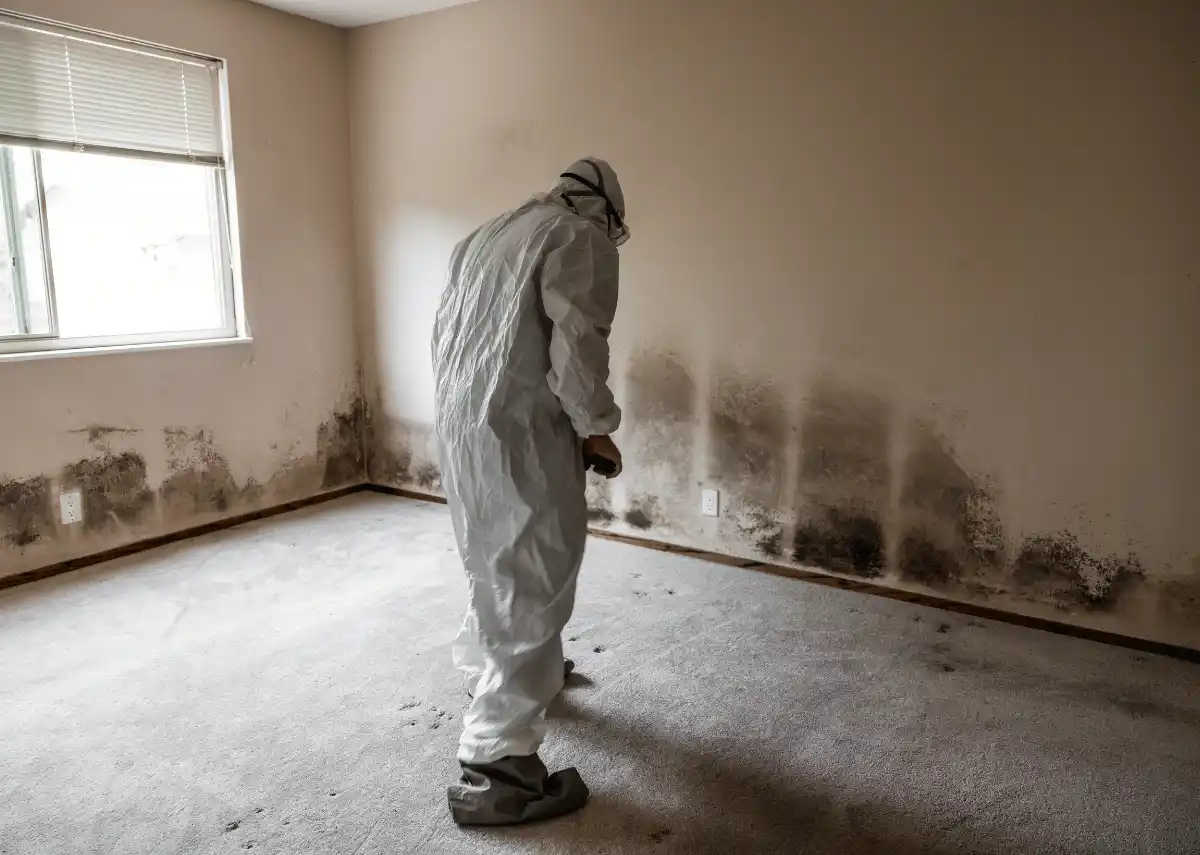
Some situations cannot be made safe with household products or a standard janitorial visit. Porous materials may absorb contamination, affected areas may extend beyond what is immediately visible, and waste must be handled carefully.
After a trauma, unattended death, blood spill, accident, or other biohazard event, keep people and pets away from the area. Avoid moving contaminated items. A professional assessment can determine whether containment, material removal, surface cleaning, disinfection, deodorization, or disposal is required.
A sensitive incident may occur in a private home, rental condominium, staff accommodation, hospitality property, workplace, or common area. Owners and families need respectful help. Property managers and accommodation operators also need the space controlled without exposing tenants, guests, employees, or maintenance staff.
Our team explains the work area, access requirements, and expected next steps as clearly as possible while protecting the privacy of those involved.
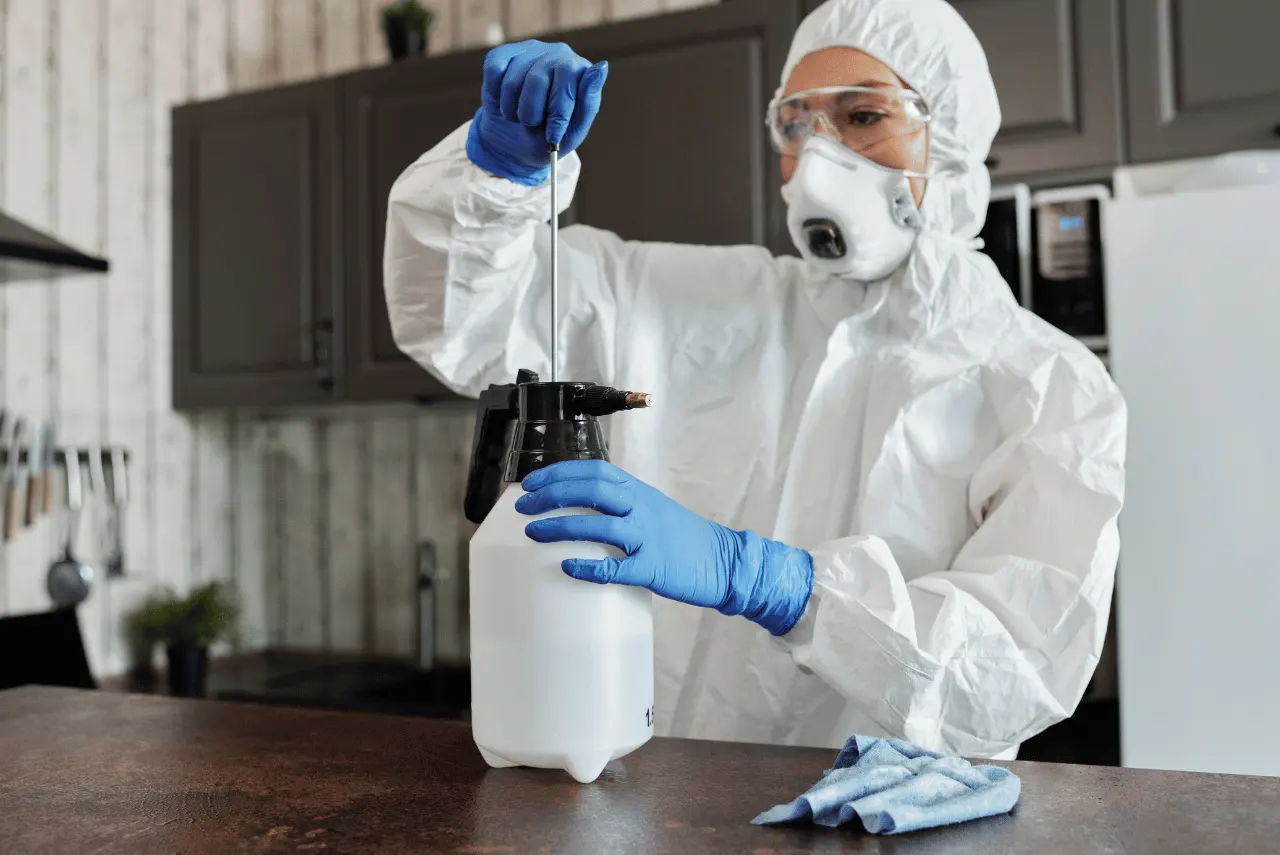

Bio cleaning is planned around the type and extent of contamination. Technicians use task-appropriate protective equipment and controlled work practices, then remove affected porous materials when they cannot be safely cleaned.
The goal is to address impacted surfaces without spreading contamination into unaffected rooms. Work details are documented so the property owner or authorized contact understands what was removed, cleaned, disinfected, and prepared for further repairs.
We begin with a private assessment and identify affected areas, access concerns, and materials that may require removal. The work zone is controlled before cleaning begins.
Contaminated materials are handled according to the conditions found. Remaining surfaces are cleaned, disinfected, and deodorized as appropriate. Technicians then review the treated area and note any flooring, drywall, contents, or reconstruction work that may still be needed.
Because every situation is different, the scope is confirmed after the site has been assessed.

Bio cleaning may form part of a property insurance claim when contamination follows a covered incident, but coverage depends on the policy and circumstances. The insurer decides what costs are eligible.
We photograph and document the affected area and completed scope where appropriate. This record can help the owner, property manager, or adjuster understand the work and any restoration that remains.
A biohazard event may also affect flooring, drywall, contents, plumbing, or other building materials. Depending on the site, the next step may include sewage cleanup, content manipulation, odour control, demolition, structural repair, or reconstruction.
Yes. Sensitive situations are handled with privacy and respectful communication. Site details are discussed with the property owner, manager, or authorized contact, and access to the work area is limited as conditions require.
Professional bio cleaning may be appropriate after trauma, unattended death, blood or bodily-fluid contamination, accidents, or other biohazard conditions. The required process depends on the affected materials and the extent of contamination.
They should avoid entering or disturbing the affected area. Biohazard conditions can create exposure risks and may require protective equipment, containment, controlled removal, disinfection, and careful waste handling.
No. Non-porous surfaces may be suitable for cleaning and disinfection, while porous materials can absorb contamination and may need to be removed. The decision is based on the material, condition, and extent of impact.
Yes. Photos, notes, and a record of the completed scope can be prepared where appropriate. This information may support an insurance review, but the insurer determines whether the loss and related work are covered.