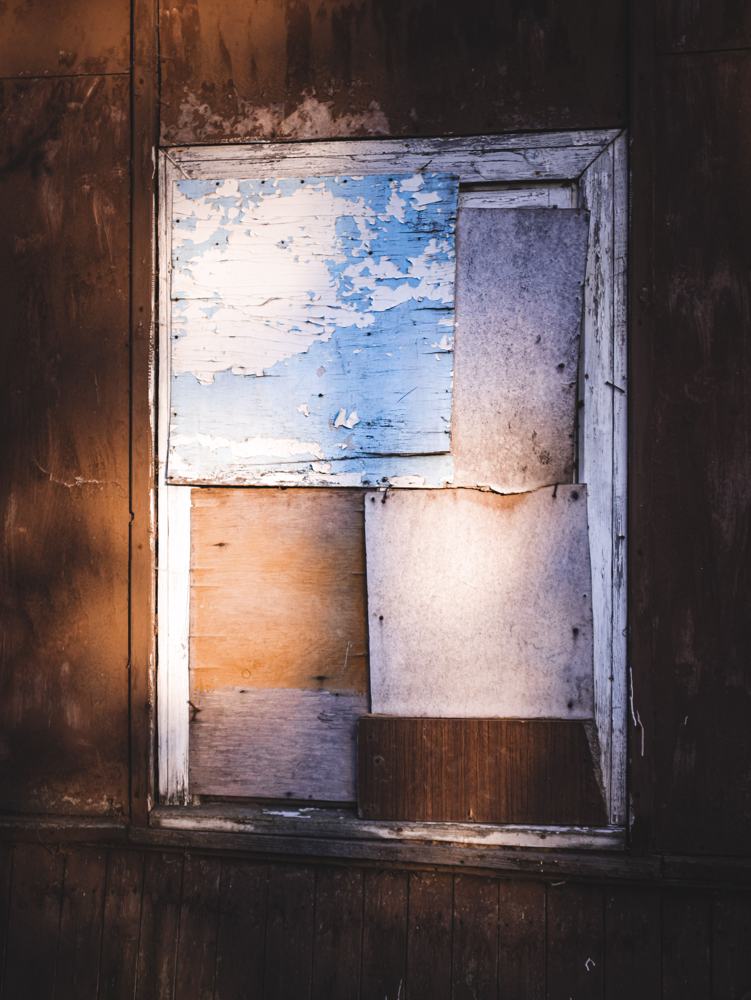
Emergency board-up is temporary protection for a damaged opening. Permanent repairs require a separate assessment and scope. Between those stages, the property may need safety checks, documentation, drying, cleanup or specialist work before damaged components can be rebuilt.
For a Calgary owner looking at a boarded window or door, the next question is not simply when the boards come off. It is what must happen before the opening and the space behind it can be returned to use.
Temporary protection does not establish safe occupancy
After a fire, follow the fire department’s directions about entering the building and using utilities. A boarded opening does not confirm that floors, wiring, gas services or the structure are safe. Do not restore disconnected utilities yourself.
For damage from another cause, ask the appropriate qualified professional whether access is permitted and whether any part of the site needs to stay restricted.
Emergency board-up services help protect a property while those decisions are made. Ask which openings are being secured, how access will be managed and whether the temporary protection needs further inspection after changing conditions.
The damage assessment looks beyond the opening
A broken window may be the most visible damage without describing the whole loss. Water, debris, smoke or damage to the surrounding assembly can affect the repair scope.
The assessment should distinguish the temporary protection already installed from the work still needed. Useful questions include whether the frame is damaged, whether nearby materials are wet and whether the opening can accept a replacement component without further repair.
Not every boarded property needs every restoration trade. A clear scope identifies the work supported by the findings and leaves unrelated upgrades out of the emergency loss.
Documentation supports decisions about the next stage
Recordkeeping helps connect the initial condition with later work. Ask for photographs, an explanation of the affected areas and a written scope separating emergency measures from permanent restoration.
Keep correspondence about access and any further temporary work. If an insurance claim is involved, contact your insurer and ask what documentation is needed before items are removed or repairs are authorized. Necessary safety measures should be discussed promptly rather than left unresolved while paperwork moves between parties.
Nonstop Restoration uses Xactimate estimates and restoration documentation to support adjuster review. That does not establish coverage or mean every proposed repair has been approved. Confirm authorizations and responsibilities directly.
Cleanup and hazard assessment may come before rebuilding
Permanent finishes should not conceal a problem that still needs attention. Depending on the loss, the intermediate work may include water mitigation, removal of damaged material or assessment of suspect hazardous materials.
Hazardous-material abatement has its own controls and planning requirements. It should not be treated as ordinary demolition simply because a permanent repair is urgent.
Ask what conditions need to be met before the rebuilding stage begins. This may also help explain why replacing the visible window or door is only one part of the recovery plan.
Permanent repairs need a defined handover
Nonstop’s post-mitigation rebuild services address reconstruction related to property restoration. The written scope should make clear which affected components will be repaired, what materials or selections remain outstanding and who will coordinate any required specialist work or approvals.
A useful handover separates three questions: is temporary protection still needed, is the underlying area ready for repairs, and what permanent work is authorized? These decisions may happen at different times.
Avoid relying on a fixed completion promise before the damage and required work are known. Ask instead for the next milestone, the items preventing progress and who is responsible for each decision.
Know when temporary protection can be removed
Before boards are removed, confirm that the permanent replacement or next protective measure is ready. Also ask whether any access restrictions continue after the opening is repaired.
A finished opening should not be mistaken for completion of the entire loss. Request a clear account of remaining work and the appropriate contact if conditions change.
Get help securing and restoring a Calgary property
Call Nonstop Restoration at (403) 620-8489 for 24/7 emergency restoration response. Explain the damage and whether emergency services have released the property for access. We provide emergency protection and restoration services, with documentation to support the transition from mitigation into permanent repairs.